Human Trafficking in India and How to Report It
Human trafficking is punishable under section 143 of the BNS from 1 July 2024. See the law, the latest NCRB data and how to report it through 112 or 1098.

The Pushpa Narendra Foundation
Published · Updated · 5 min read
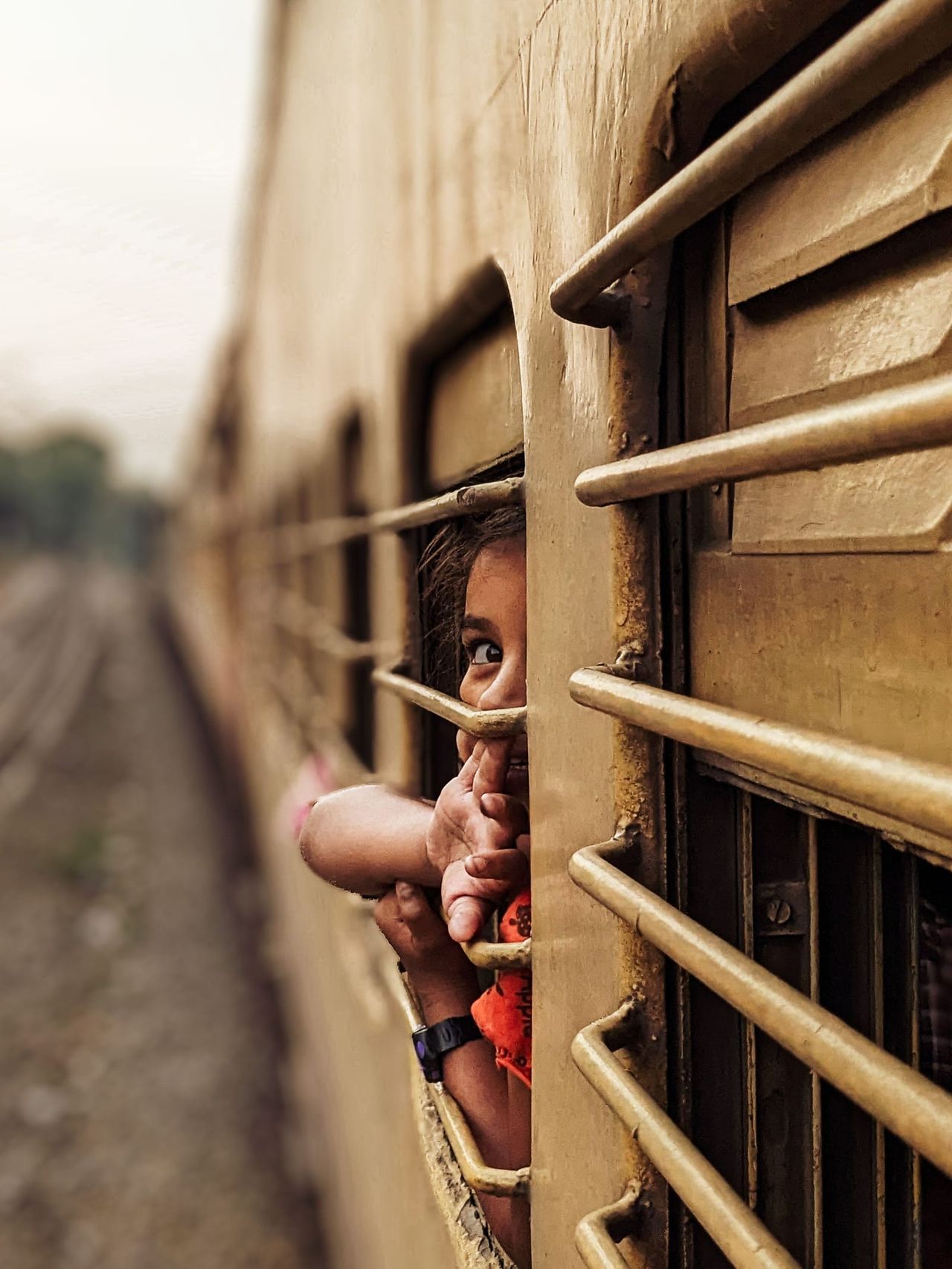
Human trafficking means recruiting, moving or harbouring a person for exploitation by force, fraud, deception or abuse of power. Since 1 July 2024 it has been punishable under section 143 of the Bharatiya Nyaya Sanhita (BNS), which took over from section 370 of the Indian Penal Code (IPC). To report it, call 112, or 1098 if a child is involved.
What counts as trafficking under Indian law?
Section 143 of the BNS applies to anyone who, for the purpose of exploitation, recruits, transports, harbours, transfers or receives a person by threats, force or other coercion, abduction, fraud or deception, abuse of power, or inducement. Exploitation includes physical or sexual exploitation, slavery or similar practices, servitude, beggary and forced removal of organs. The victim's consent does not matter.
The National Crime Records Bureau (NCRB) notes that traffickers often prey on vulnerability with false promises of a new job, better living conditions or support for the family.
What are the penalties?
Trafficking carries rigorous imprisonment of at least seven years, extendable to ten, and a fine. Where the victim is a child, the minimum is ten years and the sentence can extend to life. A public servant or police officer involved in trafficking faces imprisonment for the rest of their natural life.
The IPC provision still applies to offences committed before 1 July 2024. The Immoral Traffic (Prevention) Act, 1956 also remains in use. It punishes procuring, inducing or taking a person for prostitution, with or without the person's consent, and provides for special police officers to handle such cases. NCRB recorded 2,137 cases under it in 2024.
What do the latest official numbers show?
NCRB's Crime in India 2024, published in May 2026, is the latest edition. Its chapter on human trafficking draws on data from Anti-Human Trafficking Units (AHTUs).
AHTUs registered 2,135 cases in 2024, against 2,183 in 2023 and 2,250 in 2022. Of the 2024 cases, 1,125 were registered under the IPC and 1,010 under the BNS. Telangana (423), Maharashtra (337) and Andhra Pradesh (159) reported the most.
AHTUs also recorded 6,018 trafficked victims in 2024. Of these, 2,297 were under 18 and 3,721 were adults; 3,763 were female and 2,255 male. NCRB cautions that these figures cover only cases reported to AHTUs, so they should not be compared with section-wise counts elsewhere in its report. They count only what reached the system.
Who investigates, and where are the AHTUs?
Police and public order are State subjects, so States lead on prevention and investigation. The Ministry of Home Affairs supports them with funds and advisories, including for district-level AHTUs. NCRB says these units investigate trafficking cases and keep a database on them, including on the criminals involved.
NCRB reports that 819 AHTUs were working across 892 police districts on 31 December 2024, and that 20 States and Union Territories had met their target of an AHTU in every district.
How do I report suspected trafficking?
- Call 112, India's single emergency number, which passes calls to police, health, fire, women and child helpline services.
- Call Childline 1098 if a child is involved. The Home Ministry told Parliament in February 2026 that it operates 24 hours a day.
- Go to your local police station or the AHTU in your district.
What support exists for survivors?
In a Rajya Sabha reply on 4 February 2026, the Home Ministry said Shakti Sadan homes under Mission Shakti offer relief and rehabilitation to women who are trafficking victims. Child Care Institutions under Mission Vatsalya look after trafficked children. Legal Services Authorities award compensation to crime victims under State schemes.
How TPNF is involved
TPNF does not run rescue operations or investigate trafficking. Those tasks belong to the police, AHTUs and child protection authorities. We work on education and skills for girls and young people, and you can read about our programmes on the education page. To volunteer or contribute, see Get involved.
Frequently asked questions
Does the victim's consent matter?
No. Under section 143 of the BNS, the victim's consent is immaterial.
Which section replaced IPC 370?
Section 143 of the BNS. NCRB pairs section 143 BNS with section 370 IPC, and section 144 BNS with section 370A IPC, which covers exploitation of a trafficked person.
Is the Immoral Traffic (Prevention) Act still in force?
Yes. It dates from 1956, and NCRB recorded 2,137 cases under it in 2024.
This is general information, not legal advice.
Sources
- Ministry of Law and Justice, The Bharatiya Nyaya Sanhita, 2023, 25 December 2023
- PIB (Ministry of Home Affairs), Highlights of New Criminal Laws, 30 July 2024
- Ministry of Home Affairs, Rajya Sabha Unstarred Question No. 1192, 10 December 2025
- Ministry of Women and Child Development, The Immoral Traffic (Prevention) Act, 1956, 30 December 1956
- National Crime Records Bureau, Crime in India 2024, Volume III, Chapter 14, published May 2026
- National Crime Records Bureau, Crime in India 2024, Volume I, Table 1.3, published May 2026
- Ministry of Home Affairs, Anti-Trafficking Cell, page last updated 20 March 2024
- Ministry of Home Affairs, Emergency Response Support System (ERSS), page last updated 13 September 2024
- Ministry of Home Affairs, Rajya Sabha Unstarred Question No. 558, 4 February 2026

Written by
The Pushpa Narendra Foundation
When a young girl drops out of school due to period poverty or unmanaged anemia, her potential is locked away long before her adulthood begins. At The Pushpa Narendra Foundation (TPNF), we believe education and health cannot exist in isolation.
About us