Top Reasons to Volunteer as a Student in India (2026)
Students in India can volunteer through NSS, NCC, the MY Bharat portal or TPNF. See what each route offers, how credit works and what to expect.

The Pushpa Narendra Foundation
Published · Updated · 5 min read
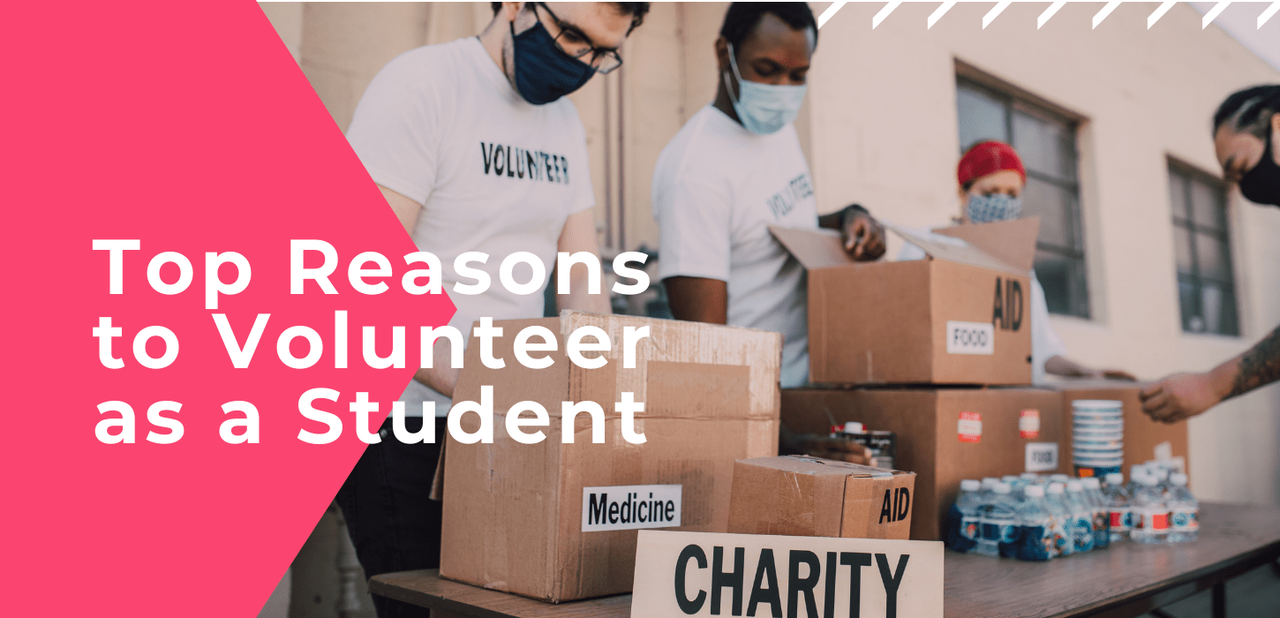
Students in India can volunteer through the National Service Scheme (NSS), the National Cadet Corps (NCC), the MY Bharat portal or an NGO such as TPNF. The honest gains are experience, new skills and, at some universities, academic credit. A job or an admission advantage is not guaranteed.
Why volunteer as a student?
Volunteering puts you inside a real community problem for a few hours a week. NSS lists what its volunteers practise: communication, empathy, problem-solving and organising grassroots events. You also meet people who care about the same cause, and you build a record you can show on a CV.
Be realistic about the limits. NSS's own FAQ says no preference in government jobs has been provided for NSS volunteers, and admission weightage, where it exists, is decided by each institution. Volunteering shows initiative. It does not buy a job or a seat.
How does the National Service Scheme work?
NSS began on 24 September 1969, when the then Union Education Minister, Dr V.K.R.V. Rao, launched it in 37 universities with about 40,000 volunteers. It is a central scheme under the Ministry of Youth Affairs and Sports, and its motto is "Not Me But You". The NSS site says it now covers 771 universities and that over 8.2 crore (82 million) students have taken part since 1969.
Students in classes 11 and 12, technical institutions, colleges and universities can join. A volunteer commits to two continuous years, 120 hours of service a year and one seven-day special camp. NSS runs through units in schools, colleges and universities, each led by a Programme Officer, so your own institution is the place to ask.
What about NCC and the MY Bharat portal?
The National Cadet Corps (NCC) was raised in 1948. A 2023 Press Information Bureau (PIB) release says it takes part in social development, disaster relief, environmental conservation and community service. Ask your college whether it has an NCC unit.
The MY Bharat (Mera Yuva Bharat) portal is newer. The Prime Minister launched it on 31 October 2023, National Unity Day, and the launch release aims it at youth aged 15 to 29. The portal offers volunteering and community-service opportunities, experiential learning, mentorship, quizzes and a free CV builder. You can build a profile of digital badges and certificates for the activities you complete. Its menu has a "Volunteer for Bharat" section.
Can volunteering earn university credit?
Sometimes. In its Curriculum and Credit Framework for Undergraduate Programmes, introduced on 12 December 2022, the University Grants Commission (UGC) lists community engagement and service as a curricular component and counts 30 hours of that work as one credit. A separate "other activities" component covers NSS, NCC, adult literacy and mentoring school students.
The framework is guidance for universities. Ask your department whether your own volunteering counts towards credit, and how many hours it needs, before you plan around it.
What should volunteers working with children expect?
This is general good practice, not a statement of any one organisation's policy. If a role puts you near children, expect a briefing before you start, a named supervisor, clear rules on contact, photographs and messaging, and a way to raise a concern. Ask about these when you apply. If an organisation cannot answer, think twice about the role.
How TPNF is involved
TPNF's Get involved page lists two volunteer routes: joining the Swasth Saheli Network and mentoring youth in life-skills workshops. TPNF's health work, including its Swasth Sahelis, is described on the Healthcare page. The page does not state age limits, time commitment or how volunteers are briefed, so ask those questions when you apply. If you cannot give time, you can give through Donate.
Frequently asked questions
Is NSS only for college students?
No. NSS says students in classes 11 and 12 can join too, along with students in technical institutions, colleges and universities.
Will volunteering give me academic credit?
Maybe. The UGC framework counts 30 hours of community engagement and service as one credit. Whether your own volunteering earns credit is a question for your university, so ask your department.
Who can register on MY Bharat?
The launch release describes the platform as aimed at youth aged 15 to 29. You register on mybharat.gov.in.
Can I volunteer with TPNF if my college has no NSS unit?
TPNF's Get involved page does not tie volunteering to an NSS unit and lists no eligibility rules. Ask TPNF directly through its Contact page.
Sources
- NSS (Ministry of Youth Affairs and Sports), Organisation: About Us, retrieved 5 October 2026
- NSS, About National Service Scheme, retrieved 5 October 2026
- NSS, FAQs, retrieved 5 October 2026
- PIB (Ministry of Defence), NCC to celebrate 75th anniversary of its raising, 25 November 2023
- PIB (Ministry of Youth Affairs and Sports), Prime Minister launches Mera Yuva Bharat (MY Bharat) platform on the National Unity Day, 31 October 2023
- PIB (Ministry of Youth Affairs and Sports), Friends of MY Bharat, 19 August 2026
- MY Bharat portal, About MY Bharat, retrieved 5 October 2026
- PIB Explainer, Higher Education under NEP 2020, 29 July 2025
- UGC, Curriculum and Credit Framework for Undergraduate Programmes (copy hosted on csjmu.ac.in), introduced 12 December 2022
- TPNF, Get involved, retrieved 5 October 2026

Written by
The Pushpa Narendra Foundation
When a young girl drops out of school due to period poverty or unmanaged anemia, her potential is locked away long before her adulthood begins. At The Pushpa Narendra Foundation (TPNF), we believe education and health cannot exist in isolation.
About us